What is a wound?
A wound
interrupts skin continuity and integrity. It may be the result of trauma, both minor or severe, or of a pathological process. Wounds can be classified as a function of the level of damage to the different layers of the skin. The healing prognosis can be very different depending on the depth and mechanism of the lesions.
There are two types of wounds:
This is a small scratch or a scrape that will not bleed.
Heals with no residual scarring.
Abrasion to the tops of the dermal-epidermal junction, which will cause bleeding at isolated spots (Skin abrasion / Skin graft donor site / superficial 2nd degree burn).
Deep dermal wound with complete rupture of the dermal-epidermal junction (deep 2nd degree burn / Surgery).
Healing will always leave superficial scarring.
A deep wound affecting the full thickness of the skin and which may damage the fat cell tissue or the underlying muscle layer.
Healing will always leave a scar.
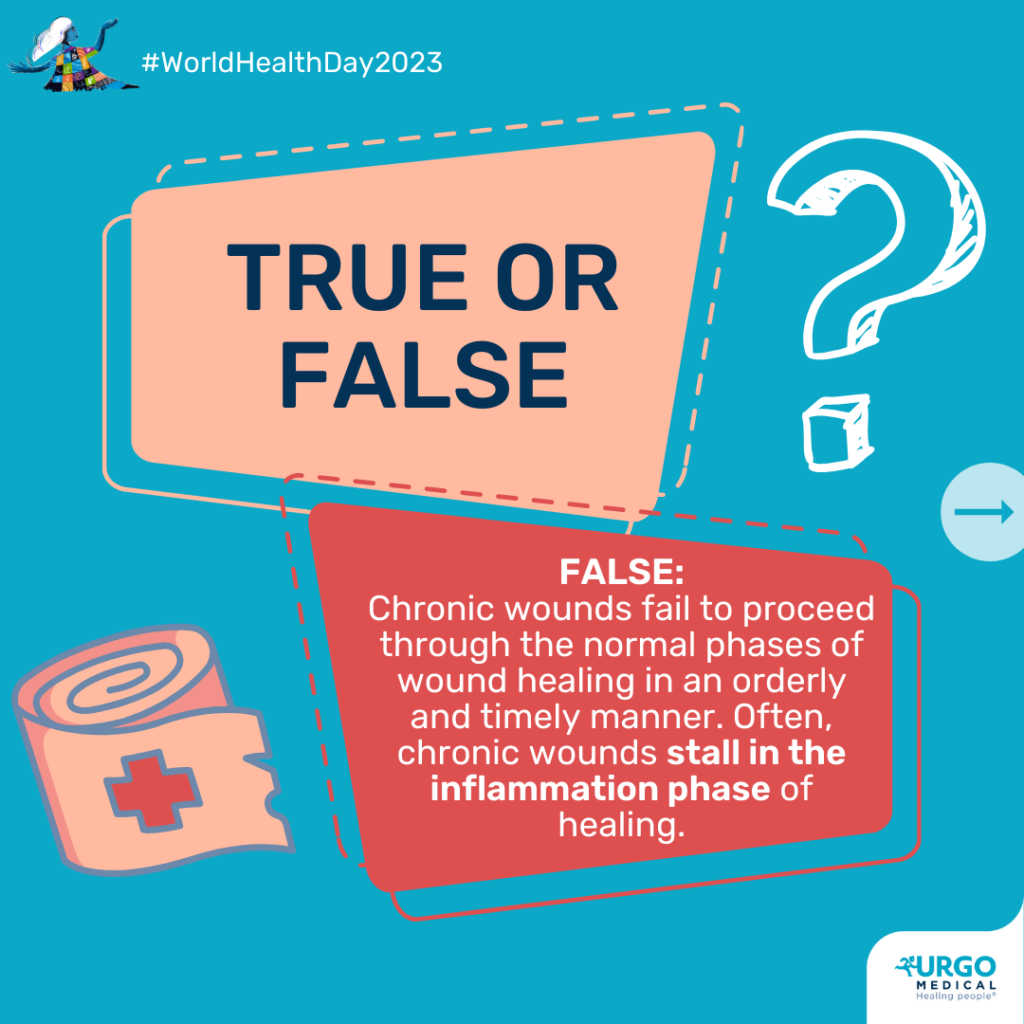
The inflammatory phase begins immediately and lasts for a few hours to a few days in acute wounds. This process can last for several weeks or even months in chronic wounds and is sustained by the disease that initiated the chronic wound.
The clot formed after the rupture of blood vessels covers the wound and forms a temporary extracellular matrix - composed of fibrin and fibronectin - which seals the wound and minimises blood loss and helps to guide cell migration. Platelets secrete and activate mediators to recruit inflammation cells (polynuclear neutrophils and macrophages), fibroblasts and endothelial cells. Bleeding is controlled at the end of the inflammatory phase, and the wound bed is cleaned through phagocytosis.
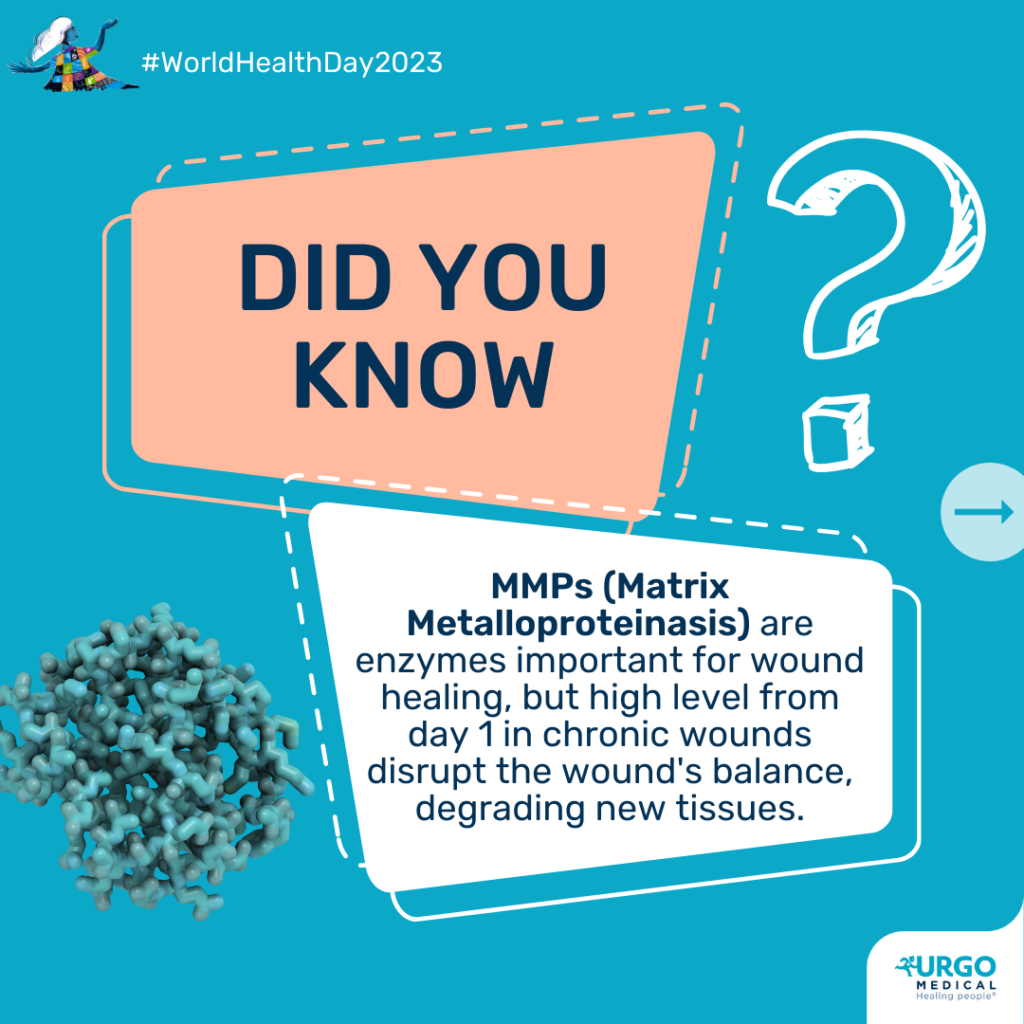
The granulation phase can begin quickly with the proliferation of endothelial cells and fibroblasts to lead to the formation of new blood vessels (angiogenesis) and the synthesis of a new extracellular matrix (ECM). As the new ECM is re-modelled, the existing matrix is degraded by a number of Proteases, enzymes known as Matrix Metalloproteinase's (MMP's), the MMP's help with autolytic debridement (cleansing) of the wound, and cell migration. Their levels increase within the wound after injury & decrease when the inflammation of the wound is resolved.
The fibroblasts then acquire the morphology and biochemical characteristics of smooth muscle cells to become myofibroblasts. This essential differentiation phenomenon takes place under the influence of cytokines and growth factors released during the previous phase.
The myofibroblasts are the main cells responsible for synthesis of the extracellular matrix and contribute to reorganisation of this matrix as the wound contracts. The extracellular matrix plays an important controlling role because some factors may be stored in latent form and activated when they are released. Re-epithelialisation occurs to close the wound with the migration of epithelial cells starting from the edges of the wound and skin appendages. Differentiation of keratinocytes then helps to restore the barrier function of the epidermis.
The last remodeling phase will last for several months and will result in the final scar. This phase begins early, during the formation of the granulation tissue, with progressive reorganisation of the matrix under the influence of myofibroblasts. These cells contract their microfilament bundles which are bonded to the extracellular matrix, causing compaction of the collagen network and contraction of the wound. New components are then secreted to increase the density of the matrix and to stabilise it. The proportion of the different types of collagen changes: the proportion of type I collagen increases, while the proportion of type III collagen decreases (from 30% to 10%). The cell density of myofibroblasts is reduced by apoptosis to leave room for fibroblasts which will strengthen the extracellular matrix, giving better resistance to mechanical forces.
Bacteriology of wound
Bacteria are inevitably present in wounds. This is natural colonisation.
The distinction between critical colonisation and infection depends on the quantity of bacteria and the response of the body.
What is critical colonisation?
Colonisation is caused by the presence of bacteria within the wound, without this leading to an inflammatory response. Most colonisation of acute wounds is composed of streptococci and staphylococci which are already present on normal healthy skin. The bacterial population in chronic wounds is much more varied. It is composed of the commensal skin bacteria such as Staphylococcus (S. aureus, coagulase-negative staphylococci), corynebacteria, α-haemolytic streptococci. After microorganisms have multiplied within the wound and bonded to epithelial cells, an equilibrium is set up between the patient and his/her microbial flora.
Microorganisms remain on the surface of the wound and form a biofilm.
Quantitatively, normal colonisation is defined by a bacterial count of 105 /mm3. If the number of bacteria exceeds this figure, it is referred to as critical colonisation, even if there is no obvious inflammation. The presence of large quantities of bacteria hinders the natural healing process and delays it.
Since routine examinations do not include bacteriological sampling, the main signs which suggestbacterial colonisation are: the abundance and thickening of foul-smelling exudate, spontaneous pain, erythema around the lesion and oedema.
What is an infection?
The term infection is used when the presence of micro-organisms leads to a local, regional or general inflammatory response with clinical symptoms.
This is due to several factors
- Large quantities of microorganisms present
- Bacterial virulen
- Reduction in the patient’s immune defence mechanism
The local or systemic clinical symptoms will be obvious
- local inflammation
- heat
- odour
- pain
- pus
|
- systemic symptoms: fever, etc
- inflammatory response
- healing halted /li>
- wounds that are worsening deteriation of the wound
- bone contact
|
Which microorganisms are involved in the infection process?
Normally, microorganisms are defined by using a staining technique based on the membrane properties and the wall of the bacteria. Gram staining is a determining factor in bacterial taxonomy (classification). Gram-positive bacteria appear mauve and Gram-negative bacteria appear pink under the microscope.
The most common microorganisms in the GRAM + family are
- Staphylococcus aureus
- Streptococcus pyogens
- Enterococcus faecalis
The most common microorganisms in the GRAM - family are:
- Enterobacteria
- Pseudomonas aeruginosa
Candida albicans (yeast) is a completely separate infectious agent that is less frequently present in the wound.
Consequences of infection
An infection is characterised by local, regional and systemic clinical symptoms. They can eventually lead to the exposure of underlying anatomical structures such as ligaments or bones. Systemic symptoms include fever, fatigue, regional lymphangitis and abnormal laboratory findings (Sedimentation Rate and C-Reactive protein)
In diabetic foot ulcers, it is essential to ensure that the infection has not spread to the bone and consequently an X-ray or MRI scan will be necessary.
Normal bacterial colonisation does not require specific therapeutic procedure, while an infection will require the use of local or general (atopic or systemic) antibacterial treatments.
The antibacterial properties of silver have been widely recognized and exploited since ancient times. Modern medicine has made great use of silver in the form of silver nitrate sulfadiazine, in the prevention and treatment of infection in both acute and chronic wounds.
In the case of chronic wounds, secondary infection can delay healing as a result of local inflammatory reaction and it is in this context that silver salts are used in the treatment of wounds with a high bacterial colonisation due to their antibacterial and local anti-inflammatory properties.
In recent years, numerous protocols have been recommended to treat acute or chronic wounds, in the form of creams or dressings containing silver.
The silver ion has a broad spectrum of activity that covers almost all microorganisms associated with the colonisation of chronic wounds. It acts on numerous targets and is bactericidal at very low concentrations, thereby minimising the potential risk of resistance.
Finally, Silver has no cytotoxicity that hinders the healing process
Ag+ MECHANISM OF ACTION - Ag+ ANTIBACTERIAL ION
Silver is only active in its Ag+ ionic form. It is quite alone in this classification since it is neither a genuinely antiseptic nor a genuinely antibiotic treatment and for this reason it is classified as an antibacterial agent.
Several characteristics of the Ag+ ion are specific in making the emergence of resistant strains difficult:
- bactericidal action of the Ag+ ion
- many actions targeted at the bacteria
- inhibits the bacterial DNA replication process
- reduces the wall strength
- increases the permeability of the bacterial cytoplasmic membrane
- inhibits the respiratory enzymes causing asphyxia of the bacteria
SIDE EFFECTS OF SILVER
Argyria
Local = hyperpigmentation
The reported cases indicate that a large quantity of Silver needs to be absorbed through the skin. Hyperpigmentation is due to deposition of Silver, usually characterised by a slate grey colour of the skin.
Systemic
The systemic effect is rare, but one significant systemic occurance should be noted: argyria (severe burn victims, infants).
RESISTANCE TO Ag+
To date, there have been no documented cases of resistance to silver ions.